




The Fall of Fawn
Recently I was serving as a volunteer when a situation arose that made me uncomfortable and when I expressed this, it led to push back by an organizer. Not how I’d like it to go. I hope that people can be curious about my sharing something I don’t like, this is a sign for me of safety and trust. We don’t need to agree, but let’s let everyone be heard and respected.
During the situation, it was reflected back to me that my face seemed friendly but my words were expressing upset and disappointment. In that moment, although I was not aware of my face, I was immediately made aware of my own tendency to FAWN.
Fawning is such a useful survival strategy!
For many of us who came from chaotic or scary childhoods, fawning was a great way to stay on the safer side of a parent’s rage.
Fawning is a mixed state in survival physiology. On the inside, we are very activated, afraid, upset, angry, or disgusted. Survival energy is high. On the outside, however, we display pro-social signs like smiling or projecting warm energy forward to another person. Survival energy seems low.

We can see how smiling on the outside but being terrified or enraged on the inside might really help diffuse a conflict or dangerous situation. This is especially true for people socialized as females, with societal conditioning to be compliant and “nice”.
As a kid, it was reinforced to me over and over that people like happy people and you should always project happiness. It didn’t matter how I really felt. If I wanted to be liked, I should act happy and friendly.
It worked well until it didn’t. And sometimes I still catch myself having a difficult time being honest and sharing with others when I’m upset or hurt. I’ve worked at this so much! And I’m incredibly proud of myself for making huge strides in growing the capacity to express when I don’t like something without being flooded or overwhelmed.
I see how underdeveloped this skill is in so many people in my practice, where I regularly help people to build somatic capacity to notice and express what they do not like, and what they like. This is part of the work I love the most, helping people define and feel their boundaries.
Instead of turning to shame and inward blame in the aforementioned situation, I noticed the limit of communication and connection available to me by this other person. Although disappointing and sometimes painful, it’s great to know the limits of any relationship. This helps define our expectations of how far trust and intimacy can go. So, I could notice my connection and trust was quite limited with this person, good info.
Even if my face was doing some friendly thing I could not consciously perceive (I also just have a friendly face! What can I say?) I could feel my displeasure and upset. I did not lean into the fawn, in fact, I leaned away from it. I chose standing in the discomfort of our disconnection instead of pretending or acting like all was okay! Standing in my displeasure, sharing it with another person, AND feeling present, safe, and curious in the room are huge wins for me and my nervous system patterning.
I know that chronic people pleasing is a huge issue for many people. We don’t want to rock the boat. We want to go along to get along. We don’t want to ruffle feathers. The truth is that avoiding conflict is simply impossible in this life, or it comes at a personal cost.
Holding inside all the things we do not like instead of admitting them to ourselves, let alone communicating those things to others, takes a toll over time. The pent up discontent might come out in inconvenient or unexpected ways. It might turn inward and exhaust our nervous system with the effort of repressing our true feelings. Over time, all this effort to repress can turn into medical syndromes and pain patterns, with the brake and the gas of the nervous system on at the same time.

In the short term, fawning can be a great way to get out of or diffuse a conflict. For many of us, it just shows up after so many years of needing to use this strategy. The new part might be leaning into whatever is under the smile NOW that we are in different, safer circumstances. We might now get to show and express our disappointment, hurt, or fear. We get a new experience of honest self expression. We get to ride the waves of life as our truest self.
Fawning is one of our most intelligent nervous system technologies. It worked! And now, maybe you’re ready to explore some of that built up discomfort around honest self expression. Maybe you’re starting to get curious about patterns of chronic pain that seem to get worse when your mom is on her bullshit again. Maybe you want to retire the smile mask and see what else is possible. Maybe we can let disconnection or discontent stand instead of smoothing over the cracks.
I’m here to honor your intelligent nervous system, and how it shows you what you like and what you do not like.
And on that note, I am offering an online group to discover and practice expressing likes and dislikes. Check it out!
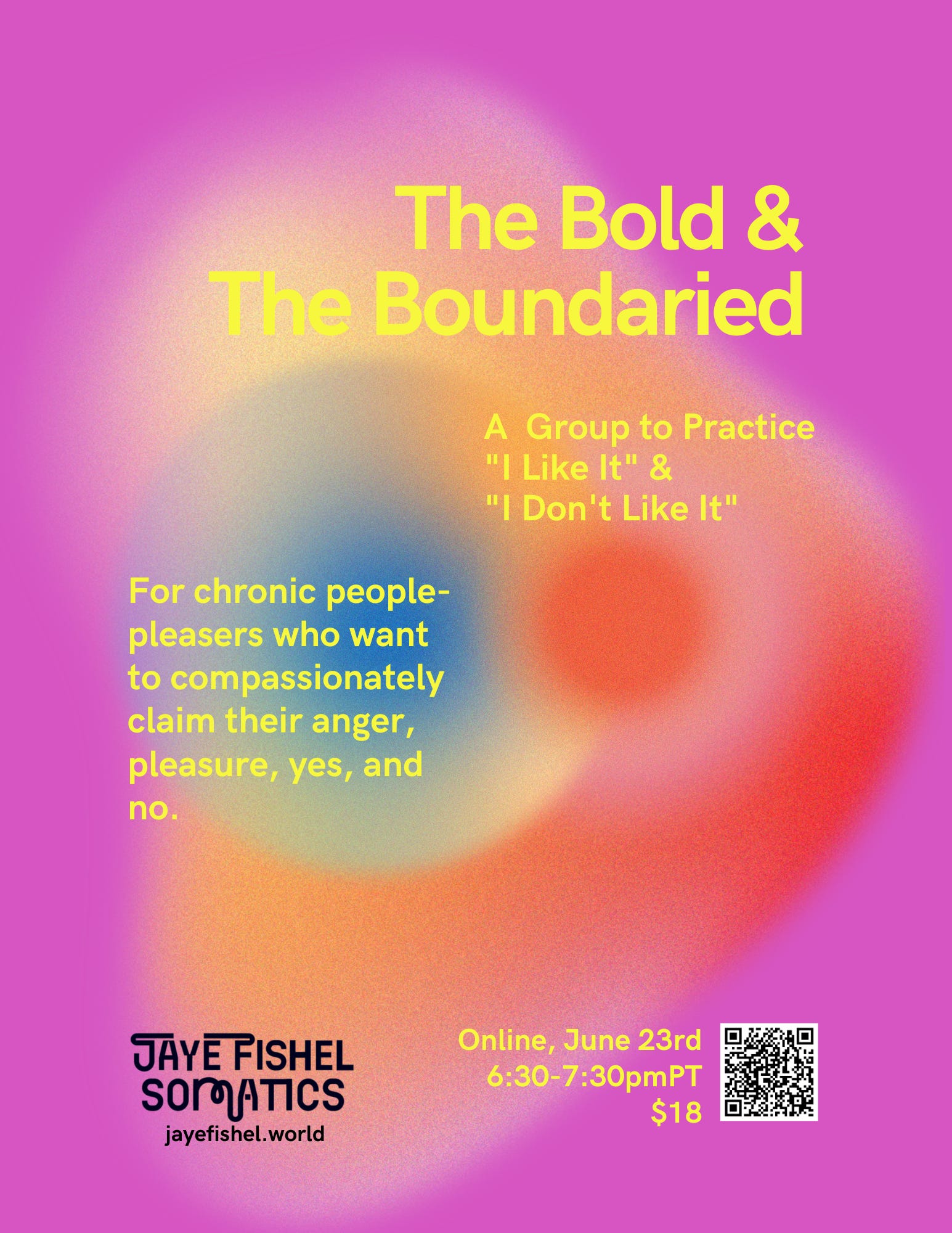
And if you’re realizing your tendency to fawn is no longer working for you, I’m here to support you with 1:1 sessions online and in person in Los Angeles.
Thanks for reading Your Intelligent Nervous System! Subscribe for free to receive new posts and support my work.
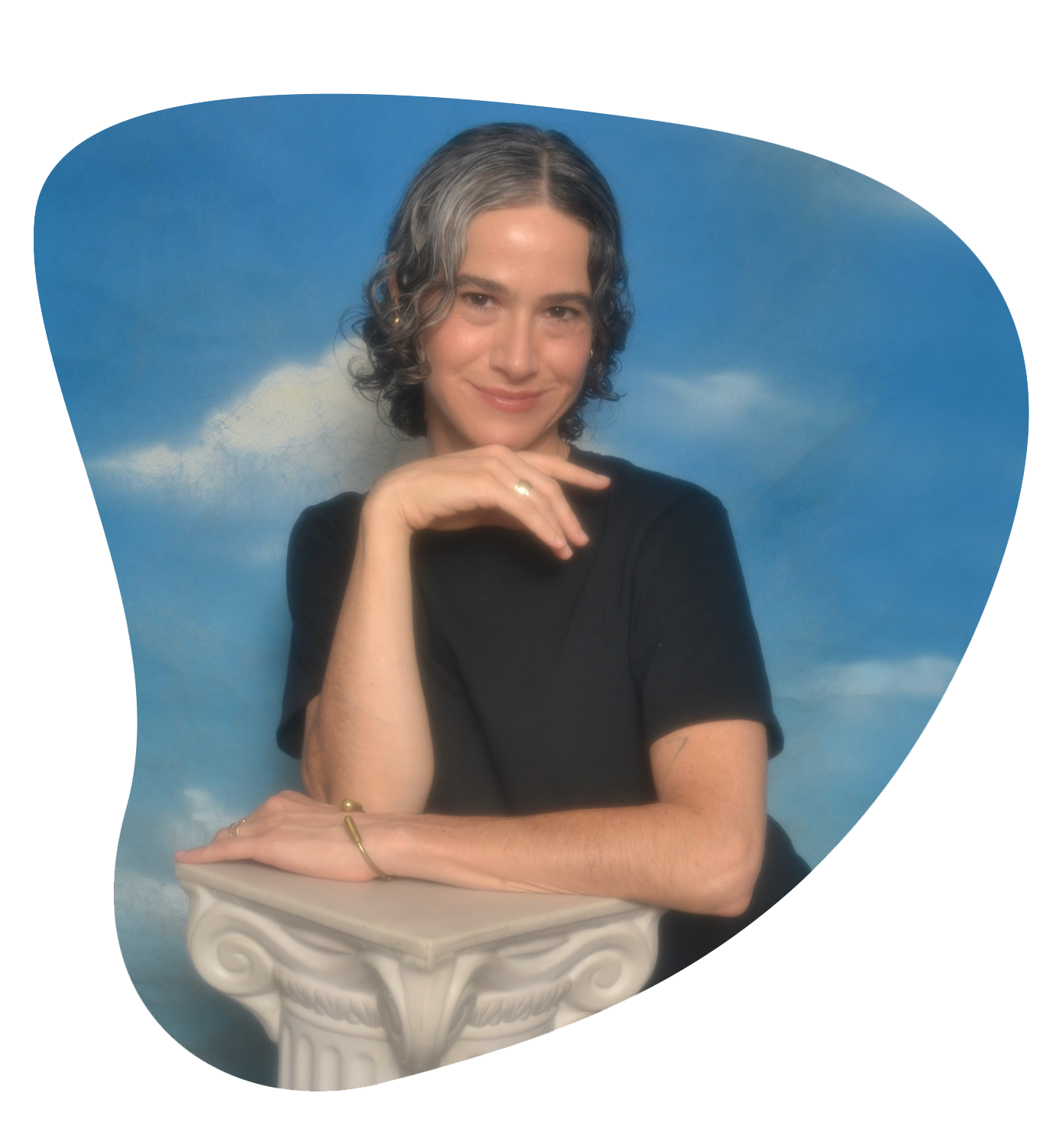
Jaye Fishel, SEP, CMT, is a somatic therapist based in Echo Park, Los Angeles.
Since 2021, Jaye has specialized in nervous system regulation and Craniosacral Therapy, helping individuals who feel disconnected from their bodies rebuild their capacity for authentic boundary-setting and deep self-connection. Through dedicated 1:1 sessions and workshops, Jaye supports you in listening to your body, articulating your needs without guilt, and safely expanding your capacity for pleasure, rest, and relational clarity.